

Contents




What are Festoons?
Festoons, also called malar bags, are swollen pouches of skin and swollen tissue that sit below the lower eyelid, on the upper cheek. They often look like a sagging hammock or a fold that hangs over the cheekbone. Unlike typical under-eye bags, which form when fat pushes forward from behind the lower lid, festoons develop lower on the face and are made up of loose skin, weakened muscle, and trapped fluid. Festoons form when the skin and the orbicularis muscle around the eye lose their strength and elasticity. Over time, a pocket develops that allows fluid to collect, so festoons often look worse in the morning, after a salty meal, or during allergy season.
Common contributing factors include aging, sun damage, genetics, smoking, history of dermal filler injections and thyroid conditions. In some younger patients, fillers injected to correct under-eye dark circles or hollowness can cause or exacerbate festoons. Because festoons involve several layers of tissue, they are among the most difficult concerns to treat around the eyes. Creams, cool compresses, and standard lower eyelid surgery alone often do not correct them. As an oculoplastic surgeon who focuses exclusively on the eyelids and face, Dr. Ghafouri has the specialized training to identify festoons, separate them from other under-eye concerns, and design a treatment plan that addresses the true cause.
Would You Benefit from Festoon Treatment?
Treatment for festoons can help patients bothered by persistent puffiness or swelling on the upper cheeks that makes them look tired, older, or unwell. Ideal candidates are in good overall health, are nonsmokers, and have realistic expectations about what treatment can achieve. Any underlying causes, such as thyroid disease or chronic allergies, should be well managed before treatment.
Festoon Treatment Can Be Used to Improve:
- Puffy mounds or pouches on the upper cheeks
- Swelling below the lower eyelids that worsens in the morning
- Sagging or crepey skin between the lower lid and cheek
The Festoon Treatment Procedure
There is no single treatment that works for every patient with festoons. At your consultation, Dr. Ghafouri will discuss your concerns and cosmetic goals, examine the lower eyelids and cheeks, and determine how much of your concern comes from loose skin, weakened muscle, or fluid. Based on this evaluation, he will recommend one technique or a combination of techniques for the most natural, long-lasting result.

Extended Lower Blepharoplasty with Festoon Repair
For moderate to advanced festoons, Dr. Ghafouri may recommend an extended lower blepharoplasty. An incision is concealed just below the lash line, and the festoon is carefully addressed beneath the skin. The weakened orbicularis muscle is lifted and secured, loose skin is trimmed, and the pocket that traps fluid is reduced. When the lower lid is lax, the outer corner of the eyelid may also be tightened with canthoplasty to support the lid and protect its natural shape.
Cheek Lift
When festoons are combined with descent of the midface, a cheek lift can raise the cheek tissues back to a more youthful position. This smooths the transition between the lower eyelid and cheek and helps soften the hollows and folds that make festoons more visible.
CO2 Laser Resurfacing / Radiofrequency Micro-needling
For milder festoons, or as a complement to surgery, CO2 laser resurfacing tightens thin, crepey skin by stimulating new collagen production. Treating the skin surface helps improve texture and firmness over the festoon and can enhance surgical results. A series of radiofrequency microneedling with Morpheus8 may also be considered for select patients with early skin laxity.
Festoon Treatment Recovery
Recovery depends on the techniques used in your treatment plan. After surgical festoon repair, plan to take about 5 to 7 days off work, and limit your activity as much as possible for the first two days. Swelling and bruising usually peak during the first few days and improve gradually over the following weeks. Because festoons involve fluid in the tissues, some mild swelling on the cheeks can take longer to fully settle than it does after a standard eyelid lift.
Patients should avoid strenuous exercise and direct heat, including sun exposure and saunas, for about two weeks. Sleeping with your head elevated and applying cool compresses as directed can help reduce swelling. Make sure to follow all post-operative instructions from Dr. Ghafouri and attend your scheduled follow-up appointments so that he can monitor your healing. If laser resurfacing is part of your plan, Dr. Ghafouri will give you specific skin care instructions to support your recovery.
Procedures to Combine with Festoon Treatment
Frequently Asked Questions About Festoons Treatment
What is the difference between festoons and under-eye bags?
What causes festoons?
Can festoons go away on their own?
Can dermal fillers injections under eye and cheek cause festoons or Malar edema?
What is the difference between festoons and malar edema
Will a regular lower blepharoplasty fix festoons?
Can fillers help with festoons?
Is festoon treatment painful?
How long do the results last?
How much does festoon treatment cost?
What are the possible risks of festoon treatment?
Why should I choose Dr. Ghafouri to treat my festoons?
Schedule a Consultation
If festoons are making you look tired or older than you feel, Dr. Ghafouri can help. Contact Arizona Oculoplastic Specialists by phone or request a consultation online to learn which festoon treatment is right for you. Out-of-town patients can schedule a virtual consultation.
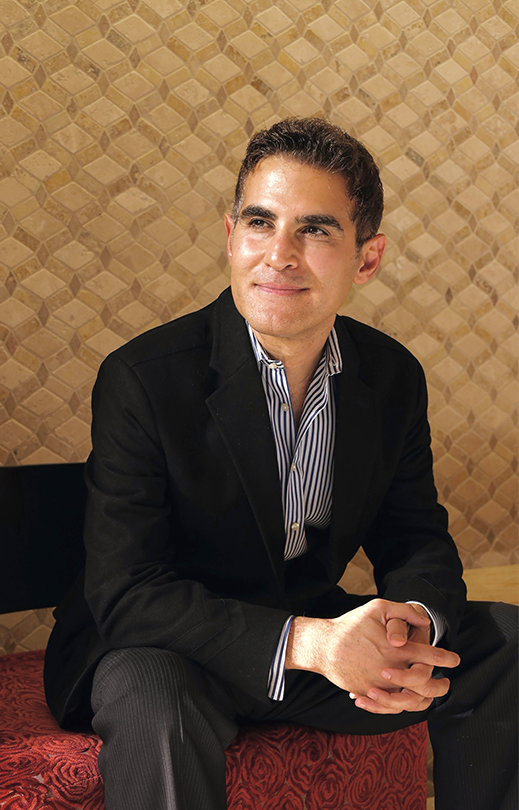
Dr. Ghafouri MD, FACS, is a board-certified ophthalmologist with specialized training in oculoplastic and orbital surgery. His exclusive specialization in cosmetic and reconstructive eyelid and facial surgery sets him apart from other plastic surgeons who practice a larger range of facial and body surgeries. The eyes are a complex and dynamic structure that requires the trained eye of an eyelid surgeon like Dr. Ghafouri to achieve the best possible results. He has performed over 12,000 aesthetic and reconstructive surgeries, each with a personalized approach and commitment to exceptional results.
Learn More


9431 E. IRONWOOD SQUARE DR., SCOTTSDALE, AZ 85258
Dr. Ghafouri offers virtual consultations for out-of-town patients. We see patients from all across the country who trust Dr. Ghafouri’s unique skills and expertise for their facial or eyelid surgeries. If you choose to travel to Arizona for your surgery, we can also recommend hotels and other resources to make your stay comfortable.
To schedule a virtual consultation with Dr. Ghafouri Click here.
Contact Us
What procedure are you interested in?

What procedure are you interested in?