



If you are exploring options for skin rejuvenation in Scottsdale, AZ, CO2 laser treatment is one of the most established and thoroughly studied approaches available. Understanding how CO2 laser resurfacing works, which skin concerns it addresses, what the treatment experience involves, how skin heals afterward, and what results you can realistically expect will help you have a more informed conversation with your provider. Whether you are dealing with sun damage, deep wrinkles, acne scars, or uneven skin texture, this knowledge empowers you to make the best decision for your skin.
How CO2 Laser Treatment Works
CO2 laser resurfacing uses focused carbon dioxide laser energy to remove the outer layers of damaged skin in precise, controlled passes. The laser beam delivers energy that vaporizes thin layers of skin cells, allowing the treated area to shed damaged skin and initiate new skin growth. As the underlying skin heals, the body responds by stimulating collagen production, which helps improve firmness and texture over time.
The laser heats the deeper layers of skin without fully removing them, which encourages collagen fibers to remodel. This dual mechanism, removing damaged skin layers on the surface while promoting new collagen in the underlying skin, is what makes CO2 laser resurfacing effective for a broad range of skin concerns. As an ablative laser treatment, it works more aggressively than fractional lasers or intense pulsed light alone, making it suitable for more significant skin issues.
The Benefits of CO2 Laser for Common Skin Concerns
The benefits of CO2 laser extend across several cosmetic procedures and skin conditions. Most patients seek this treatment for one or more of the following:
Sun Damage and Uneven Skin Tone
Years of sun exposure in can leave the skin with irregular pigmentation, rough texture, and early signs of photoaging. CO2 laser treatment can help reduce the appearance of sun damage by removing the outer layers where pigment irregularities are concentrated. As new skin growth develops, many patients notice a more even skin tone and improved skin texture.
Deep Wrinkles and Fine Lines
CO2 laser resurfacing is particularly well-suited for addressing deep wrinkles around the eyes, mouth, and forehead. By stimulating collagen production in the deeper layers, the treatment can produce visible improvement in both fine lines and more pronounced creases. Results typically become more apparent as skin recovers over several weeks and months.
Acne Scars
For patients with acne scars, laser skin resurfacing can help soften the appearance of depressed or textured scarring. The precise control of CO2 laser energy allows targeted treatment of specific skin concerns without unnecessarily affecting surrounding tissue. Ablative laser resurfacing is often recommended when acne scars are moderate to severe, though your provider will evaluate your specific skin type and condition before recommending treatment.
Laser Resurfacing: What to Expect During Treatment
CO2 laser resurfacing is typically performed as an outpatient procedure. A topical or local anesthetic is applied to the treatment area to enhance comfort during the session. The treatment session length varies depending on how much of the face or skin area is being addressed.
The cosmetic surgeon or qualified provider uses the carbon dioxide laser to make precise passes across the skin. Fractional CO2 laser treatment can reduce recovery time while still reaching damaged skin layers. Your provider will discuss whether full ablative laser resurfacing or a fractional laser treatment is more appropriate for your skin concerns and goals.
Recovery Process and Post-Treatment Care Instructions
The healing process after CO2 laser resurfacing requires careful attention. In the days following treatment, the skin will be red, swollen, and sensitive as new skin growth begins. Ice packs may be used to help manage swelling in the early stages. Your provider will give you specific post-treatment care instructions, which typically include gentle cleansing, moisturizing, and avoiding sun exposure while skin heals.
Proper healing is closely tied to how well you follow aftercare guidance. Avoid sun exposure consistently during recovery, as treated skin is particularly vulnerable to UV damage. Sun protection with a broad-spectrum SPF is essential once the skin recovers enough to tolerate it. Proper skincare in the weeks after treatment supports optimal results and helps ensure proper healing of the treated area.
Recovery typically ranges from one to two weeks for initial healing, though skin tone and texture may continue to improve for several months as collagen production progresses. Individual recovery varies based on skin type, the depth of treatment, and overall skin health.
Severe Skin Issues and Patient Candidacy
Not every patient is an ideal candidate for CO2 laser resurfacing. Patients with darker skin tones require careful evaluation, as ablative laser treatments carry a higher risk of post-inflammatory hyperpigmentation in certain skin tones. A qualified cosmetic surgeon will assess your skin color, skin type, and specific skin concerns before recommending this treatment.
Patients with active acne should typically wait until breakouts are under control before undergoing laser resurfacing. Severe skin issues such as significant laxity or deep scarring may benefit from combining laser treatment with other cosmetic procedures. Alternative treatments, including chemical peel options or erbium lasers, may be more appropriate for certain skin conditions or skin tones, and your provider can help identify the right approach for you.
Why Choose Arizona Oculoplastic Specialists in Scottsdale
When evaluating any laser treatment for the face, the experience and credentials of your cosmetic surgeon matter significantly. Dr. Ghafouri is board-certified by the American Board of Ophthalmology and is a fellow of the American Academy of Facial Plastic Surgery, the American College of Surgeons, the American Academy of Ophthalmology, and the Phoenix Ophthalmological Society. He has performed over 12,000 major reconstructive and aesthetic plastic surgeries and has been recognized as a Phoenix Magazine Top Doctor.
Dr. Ghafouri specializes in ophthalmic facial plastic and reconstructive surgery, with extensive experience in laser facial rejuvenation and minimally invasive cosmetic procedures. His approach prioritizes individualized treatment planning, particularly for the delicate skin around the eyes and face.
Have questions beyond what this guide covers? Dr. Ghafouri can provide personalized guidance based on your individual situation. Contact us online or call (480) 905-1010 to schedule a consultation.
Frequently Asked Questions About CO2 Laser Treatment
How many treatment sessions are typically needed?
Many patients see significant improvements from a single CO2 laser resurfacing session, though some skin concerns may benefit from additional treatments over time. Your provider will assess your skin conditions and goals to recommend the appropriate treatment plan for your situation.
How long do results from CO2 laser resurfacing typically last?
Results vary by individual and depend on factors like skin type, sun exposure habits, and ongoing skincare. Avoiding sun exposure and following a consistent proper skincare routine helps preserve and extend your results. Aging and environmental factors will continue to affect the skin over time.
Is CO2 laser resurfacing appropriate for all skin tones?
CO2 laser treatment requires careful evaluation for patients with darker skin tones due to the risk of post-inflammatory hyperpigmentation. A thorough consultation allows your provider to assess your skin color and recommend whether CO2 laser resurfacing or alternative treatments are most appropriate for you.
Can CO2 laser be combined with other cosmetic procedures?
In some cases, laser skin resurfacing is performed alongside other cosmetic procedures such as eyelid surgery or injectable treatments to address multiple skin concerns comprehensively. Your provider will determine whether combining treatments is appropriate based on your overall health and aesthetic goals.
What is the difference between full ablative and fractional CO2 laser treatment?
Full ablative laser resurfacing treats the entire surface of the skin in the treatment area, while a fractional laser treatment targets only a portion of the skin, leaving surrounding tissue intact to support faster healing. Fractional CO2 approaches typically involve less downtime but may require more sessions to achieve comparable results for severe skin issues.
How should I prepare for a CO2 laser treatment session?
Pre-treatment preparation typically includes avoiding certain skincare products, sun exposure, and medications that can affect healing. Your provider will give you detailed pre-treatment preparation instructions tailored to your skin type. Following these guidelines is important to ensure proper healing and optimal results.
How does CO2 laser compare to a chemical peel for similar skin concerns?
Both chemical peel treatments and CO2 laser resurfacing target damaged skin layers to improve skin texture and overall appearance, but they work through different mechanisms and vary in depth and recovery. CO2 laser offers more precise control over treatment depth, making it well-suited for deeper wrinkles and more pronounced acne scars. A consultation with a qualified cosmetic surgeon can help clarify which approach aligns with your specific skin concerns.
Understanding why to choose CO2 laser, along with its benefits and results, is an important step in making a confident decision about your skin rejuvenation options in Scottsdale, AZ. The next step is a personalized consultation to explore whether CO2 laser treatment is right for your skin type, concerns, and goals. Schedule a consultation online or call Arizona Oculoplastic Specialists at (480) 905-1010 to speak with our team.
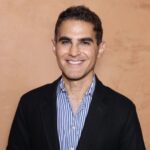
Dr. Ghafouri, MD, FACS, is a distinguished ophthalmic plastic and facial cosmetic surgeon based in Scottsdale and Phoenix, Arizona, with extensive experience in eyelid, eye orbit, tear drainage, and skin cancer surgeries. He specializes in minimally invasive aesthetic procedures such as cosmetic eyelid lifts, endoscopic forehead lifts, mid-facelifts, laser facial rejuvenation, Botox, and dermal fillers. Board-certified by the American Board of Ophthalmology and a fellow of several prestigious medical societies, he has performed over 18,000 major reconstructive and aesthetic surgeries. Dr. Ghafouri and his team at Arizona Oculoplastic Specialists are dedicated to delivering exceptional patient care with compassion and excellence.
9431 E. IRONWOOD SQUARE DR., SCOTTSDALE, AZ 85258
Dr. Ghafouri offers virtual consultations for out-of-town patients. We see patients from all across the country who trust Dr. Ghafouri’s unique skills and expertise for their facial or eyelid surgeries. If you choose to travel to Arizona for your surgery, we can also recommend hotels and other resources to make your stay comfortable.
To schedule a virtual consultation with Dr. Ghafouri Click here.
Contact Us
What procedure are you interested in?

What procedure are you interested in?