


If drooping eyelids are affecting your appearance or your vision, ptosis repair in Paradise Valley, AZ may be worth exploring. Ptosis is a condition in which one or both upper eyelids descend lower than they should, affecting both how you look and, in some cases, how well you see. At Arizona Oculoplastic Specialists, Dr. Ghafouri provides specialized ptosis surgery for adults throughout the Paradise Valley area.
Understanding Ptosis and Ptosis Surgery
Ptosis occurs when the levator muscle (the muscle responsible for lifting the upper eyelid) becomes weakened or stretched. This can happen gradually with age, as a result of injury, or in some cases from birth. When the eyelid droops significantly, it can cover part of the pupil and impair vision, cause headaches from straining to keep the eye open, or simply affect your overall appearance.
Ptosis surgery is a procedure designed to tighten or reattach the levator muscle to raise the upper eyelid to a more natural position. Depending on the degree of drooping and the underlying cause, Dr. Ghafouri will evaluate your specific anatomy and recommend the most appropriate surgical approach for your needs.
Ptosis repair is sometimes performed alongside blepharoplasty, a procedure that addresses excess skin on the upper eyelid. When combined, these procedures can address both functional and cosmetic concerns at the same time. Dr. Ghafouri will discuss all options with you during your consultation to help you make an informed decision.
Who May Benefit from Ptosis Repair
Ptosis repair may be appropriate for patients who experience one or more of the following:
- A drooping upper eyelid that partially blocks vision or causes blurred vision
- Droopy eyelids present since birth or developing over time
- Eye strain, fatigue, or headache related to drooping upper eyelids
- Asymmetry in eyelid height that affects appearance
- Excess skin that causes the eyelid to droop and interfere with daily activities
- Adults whose drooping eyelids affect their quality of life
Candidacy is determined through a thorough evaluation that includes reviewing your medical history, assessing eyelid muscle function, and examining how ptosis may affect your vision. Patients who wear contact lenses or have a history of eye tumors or other eye conditions will discuss these factors with Dr. Ghafouri prior to surgery.
Ready to find out if ptosis surgery is right for you? Request a consultation or call (480) 905-1010 today.
What to Expect: The Ptosis Repair Procedure
Consultation and Evaluation
Your journey begins with a comprehensive consultation at our Scottsdale office, conveniently accessible to patients from Paradise Valley, Arcadia, McCormick Ranch, Gainey Ranch, and the greater Scottsdale area. Dr. Ghafouri will evaluate your eyelid function, review your medical history, and determine the most effective approach for your ptosis repair. He will also discuss anesthesia options, address any concerns you have, and explain what results you may realistically expect.
The Surgical Procedure
Ptosis surgery is typically performed using local anesthesia, though sedation may also be used depending on patient needs and the complexity of the procedure. During surgery, Dr. Ghafouri makes a small incision along the natural eyelid crease to access the levator muscle or Muller’s muscle. He then tightens or repositions the muscle tissue to raise the eyelid to the appropriate height. Sutures are used to close the incision, and the procedure is generally completed within one to two hours.
When blepharoplasty is performed at the same time, excess skin along the upper eyelid surface is also addressed, which may further enhance the refreshed appearance of the eye area.
Recovery Process
The recovery process following ptosis repair typically involves some swelling and bruising around the eye, which most patients find manageable and which begins to settle within the first one to two weeks. Scarring is generally minimal due to the incision placement within the natural eyelid crease. Dr. Ghafouri will provide specific aftercare instructions, including guidance on medications, activity restrictions, and follow-up appointments to monitor healing.
Most patients are able to return to light daily activities within a week or two, though individual recovery varies. Final results typically develop over several weeks as swelling resolves and tissues heal fully.
Why Choose Arizona Oculoplastic Specialists for Ptosis Surgery in Paradise Valley
Dr. Ghafouri is board-certified by the American Board of Ophthalmology and holds fellowship status with the American Academy of Facial Plastic Surgery, the American College of Surgeons, and the American Academy of Ophthalmology. His specialized training in ophthalmic facial plastic and reconstructive surgery means he focuses specifically on procedures involving the eyelids, eye orbit, and surrounding tissues, an important distinction when it comes to procedures that affect both vision and appearance.
With over 18,000 major reconstructive and aesthetic plastic surgeries performed throughout his career, Dr. Ghafouri brings a high level of experience to every procedure. He has been recognized as a Phoenix Magazine Top Doctor, a distinction that reflects his commitment to providing the highest quality care to his patients.
Patients choose Arizona Oculoplastic Specialists for ptosis repair and blepharoplasty because of Dr. Ghafouri’s precise approach, his focus on natural-looking outcomes, and his commitment to patient education throughout every step of the process.
Frequently Asked Questions About Ptosis Repair in Paradise Valley, AZ
What is the difference between ptosis repair and blepharoplasty?
Ptosis repair specifically addresses a weakened or stretched levator muscle or Muller’s muscle that causes the upper eyelid to droop. Blepharoplasty focuses on removing excess skin from the upper or lower eyelid. In some cases, both procedures are performed together when drooping involves both muscle laxity and excess skin. Dr. Ghafouri will evaluate your eyelid anatomy during your consultation and recommend the appropriate procedure or combination.
Does ptosis repair improve vision?
When a drooping upper eyelid covers part of the pupil and impairs vision, ptosis surgery may help raise the eyelid and restore a fuller visual field. Whether surgery is likely to affect your vision depends on the degree of drooping and your individual anatomy. During your consultation, Dr. Ghafouri will evaluate how ptosis may be interfering with your sight.
Is ptosis surgery performed under general anesthesia?
Ptosis repair is typically performed under local anesthesia, often with sedation available to enhance comfort. General anesthesia may be considered in certain cases, particularly for children or more complex procedures. Your anesthesia plan will be discussed and determined during your pre-surgical consultation based on your medical history and needs.
How long does recovery from ptosis repair take?
Most patients experience swelling and bruising in the first one to two weeks following ptosis surgery, with the recovery process generally allowing a return to light activities within that timeframe. Complete healing and final results typically develop over several weeks. Individual recovery varies, and Dr. Ghafouri will provide specific guidance based on your procedure.
Will there be visible scarring after ptosis surgery?
Scarring is typically minimal because the incision is placed within the natural crease of the upper eyelid, where it blends with the surrounding tissues as healing progresses. Most patients find that scarring becomes difficult to notice once recovery is complete. Your provider will discuss what to expect during your consultation appointment.
How do I know if I am a good candidate for ptosis surgery in Paradise Valley?
Good candidates typically include adults or children with a drooping upper eyelid that affects their vision, appearance, or quality of life. A thorough consultation with Dr. Ghafouri — including a review of your medical history and an evaluation of your eyelid muscle function — will help determine whether ptosis repair is the right option for you.
Are there risks associated with ptosis repair?
As with any surgical procedure, ptosis repair carries potential risks, which may include bruising, swelling, temporary changes in eyelid position, scarring, or the need for additional surgery to achieve the desired outcome. Dr. Ghafouri will discuss the specific risks and benefits of ptosis surgery with you during your consultation so you can make a fully informed decision.
How soon will I see results after ptosis surgery?
Some improvement in eyelid position is typically visible shortly after ptosis repair, though swelling can affect the initial appearance. Most patients begin to appreciate their results as swelling resolves over the first few weeks. Full results generally settle over one to three months. Individual results may vary.
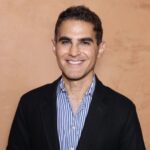
Dr. Ghafouri, MD, FACS, is a distinguished ophthalmic plastic and facial cosmetic surgeon based in Scottsdale and Phoenix, Arizona, with extensive experience in eyelid, eye orbit, tear drainage, and skin cancer surgeries. He specializes in minimally invasive aesthetic procedures such as cosmetic eyelid lifts, endoscopic forehead lifts, mid-facelifts, laser facial rejuvenation, Botox, and dermal fillers. Board-certified by the American Board of Ophthalmology and a fellow of several prestigious medical societies, he has performed over 18,000 major reconstructive and aesthetic surgeries. Dr. Ghafouri and his team at Arizona Oculoplastic Specialists are dedicated to delivering exceptional patient care with compassion and excellence.
9431 E. IRONWOOD SQUARE DR., SCOTTSDALE, AZ 85258
Dr. Ghafouri offers virtual consultations for out-of-town patients. We see patients from all across the country who trust Dr. Ghafouri’s unique skills and expertise for their facial or eyelid surgeries. If you choose to travel to Arizona for your surgery, we can also recommend hotels and other resources to make your stay comfortable.
To schedule a virtual consultation with Dr. Ghafouri Click here.
Contact Us
What procedure are you interested in?

What procedure are you interested in?