


When considering Botox vs Dysport: which is right for you? is a question that comes up often among patients exploring neuromodulator treatments in Scottsdale, AZ. Both are FDA-approved injectable treatments that work by temporarily relaxing targeted facial muscles to soften the appearance of dynamic wrinkles, yet they are not identical products. Understanding the distinctions between them can help you approach your consultation with confidence. At Arizona Oculoplastic Specialists, our experienced injectors provide personalized guidance to help each patient identify the approach best suited to their anatomy, goals, and lifestyle.
What Is Botox?
Botox (onabotulinumtoxinA) is one of the most extensively studied cosmetic injectables available. It is FDA-approved for moderate to severe glabellar lines (the vertical creases between the brows), lateral canthal lines (crow’s feet), and forehead lines in adults. The treatment works by blocking neuromuscular signals at the injection site, causing the underlying muscle to relax and the overlying skin to smooth.
Botox is administered in precise units, and dosing is highly individualized based on muscle mass, treatment area, and the patient’s desired level of expression. Most patients begin to notice softening within three to seven days, with optimal results typically visible around two weeks after treatment. Effects generally last three to four months, though duration varies by individual.
Botox has decades of clinical data supporting its safety profile and is well-tolerated by most patients when administered by an experienced injector. Minor, temporary side effects such as localized bruising or mild swelling at injection sites may occur.
What Is Dysport?
Dysport (abobotulinumtoxinA) is also FDA-approved for the treatment of moderate to severe glabellar lines in adults. Like Botox, it belongs to the botulinum toxin type A family and functions by temporarily interrupting nerve-to-muscle communication to relax the treated area. However, Dysport has a slightly different protein formulation and unit measurement system, which means dosing is not directly interchangeable with Botox on a one-to-one basis.
One characteristic frequently noted with Dysport is its tendency to diffuse slightly more broadly from the injection site. For some treatment areas and some patients, this diffusion pattern can be an advantage, allowing a smoother result across larger muscle groups. Onset may occur slightly faster for some individuals, with initial results sometimes visible within two to three days.
Like Botox, Dysport is well-tolerated by most patients, and typical duration of effect is in the range of three to four months. Patients who have not responded optimally to one neuromodulator sometimes find that the other performs differently for their specific anatomy.
Key Differences Between Botox and Dysport: Which Is Right for You?
How Each Works
- Botox: onabotulinumtoxinA; precise, localized muscle relaxation with a more contained diffusion profile
- Dysport: abobotulinumtoxinA; slightly broader diffusion pattern from the injection point; different unit dosing system
Treatment Areas
- Both are FDA-approved for moderate to severe glabellar lines
- Botox carries additional FDA approvals for crow’s feet and forehead lines
- Both are used by experienced injectors in a variety of cosmetic facial applications
Results Timeline
- Botox: results typically visible within three to seven days; peak at approximately two weeks
- Dysport: onset may be slightly faster in some patients, sometimes within two to three days
Duration of Effect
- Both products generally maintain effects for three to four months; individual experience varies
Recovery
- Both treatments involve minimal downtime for most patients; brief redness, swelling, or bruising at injection sites may occur with either
Ideal Candidate
- Botox: may suit patients seeking targeted, precise treatment, particularly in smaller muscle groups around the eyes and forehead
- Dysport: may be better suited for patients with larger treatment areas or those who have not achieved their preferred result with Botox
A side-by-side list captures broad strokes, but the nuances go deeper. Muscle anatomy, the thickness and quality of overlying skin, prior treatment history, and the specific expression patterns a patient wants to preserve all influence which neuromodulator an experienced injector will recommend. At Arizona Oculoplastic Specialists, the injector’s surgical-level understanding of periocular and facial anatomy adds a layer of precision that goes beyond standard cosmetic injection practices. These are the details that a personalized consultation can clarify in a way that no comparison guide can fully replace.
Which Is Right for You?
Choosing between Botox and Dysport is rarely a matter of one being superior to the other. Both are effective, well-studied treatments. The right choice depends on your anatomy, treatment goals, and how your muscles have responded to neuromodulators in the past.
Botox may be the preferred starting point for patients who are new to neuromodulator treatments, those seeking very targeted correction around the eyes and brow, or those whose prior experience with another neuromodulator informs a specific preference for its diffusion profile.
Dysport may be worth exploring for patients treating broader muscle groups, those who want to see results slightly sooner before an event, or those who have found Botox’s longevity or onset timing less consistent for their individual physiology.
In both cases, the injector’s experience and understanding of facial anatomy matter as much as the product itself. Whether you are considering injectables as a standalone treatment or as a complement to a surgical procedure such as blepharoplasty in Scottsdale, personalized recommendations developed during your consultation will account for your complete aesthetic picture. Patients interested in facial fat grafting in Scottsdale may also find that combining volume restoration with a neuromodulator addresses multiple dimensions of facial rejuvenation at once.
Why Choose Arizona Oculoplastic Specialists?
Arizona Oculoplastic Specialists is a highly specialized practice focused on the full spectrum of eyelid and facial procedures, both cosmetic and reconstructive. Dr. Ghafouri is board-certified by the American Board of Ophthalmology and is a fellow of the American Academy of Facial Plastic Surgery, the American College of Surgeons, and the American Academy of Ophthalmology. This depth of credential and subspecialty training sets the practice apart from general aesthetic providers.
Our practice’s guiding principles, expertise, experience, and excellence extend to every injectable treatment performed through our MedSpa. When you receive a neuromodulator treatment at Arizona Oculoplastic Specialists, your injector brings surgical-level anatomical knowledge to every decision about placement and dosing.
Frequently Asked Questions
Is Botox or Dysport more affordable?
Pricing for both Botox and Dysport varies depending on the number of units or vials used and the areas being treated. Because Dysport is measured in different units than Botox, a direct price-per-unit comparison can be misleading without accounting for dosing equivalency. Your provider will discuss cost estimates based on your individual treatment plan during your consultation at Arizona Oculoplastic Specialists. Financing options may be available; ask at your appointment.
Can Botox and Dysport be used together in the same session?
In some cases, an experienced injector may recommend different neuromodulators for different areas of the face based on the diffusion characteristics best suited to each muscle group. Whether a combined approach is appropriate depends on your anatomy and goals. This is a decision best made in consultation with a provider who has thorough knowledge of facial musculature and neuromodulator pharmacology.
How does recovery compare between the two treatments?
Both Botox and Dysport involve minimal downtime for most patients. You may notice mild redness, slight swelling, or occasional bruising at injection sites with either product. These effects are typically brief. Most patients return to normal activities the same day. Your provider will give you specific post-treatment guidance, including temporary precautions such as avoiding strenuous exercise or lying flat immediately after your appointment.
Can neuromodulators complement eyelid surgery or other facial procedures?
Yes. Botox and Dysport are frequently used alongside surgical procedures to address dynamic wrinkles that surgery alone does not correct. For patients who have had or are considering eyelid surgery in Scottsdale, a neuromodulator can be a useful complement to maintain results in the surrounding areas. Dr. Ghafouri evaluates each patient’s full facial picture to recommend a cohesive treatment approach tailored to your anatomy and goals. Individual results may vary.
Schedule Your Consultation in Scottsdale, AZ
If you are still weighing Botox vs Dysport and which is right for you, the most reliable next step is a personal consultation with an experienced provider. The team at Arizona Oculoplastic Specialists are ready to help you make a confident, informed decision. Contact us today to schedule your appointment in Scottsdale, AZ.
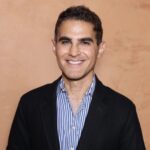
Dr. Ghafouri, MD, FACS, is a distinguished ophthalmic plastic and facial cosmetic surgeon based in Scottsdale and Phoenix, Arizona, with extensive experience in eyelid, eye orbit, tear drainage, and skin cancer surgeries. He specializes in minimally invasive aesthetic procedures such as cosmetic eyelid lifts, endoscopic forehead lifts, mid-facelifts, laser facial rejuvenation, Botox, and dermal fillers. Board-certified by the American Board of Ophthalmology and a fellow of several prestigious medical societies, he has performed over 18,000 major reconstructive and aesthetic surgeries. Dr. Ghafouri and his team at Arizona Oculoplastic Specialists are dedicated to delivering exceptional patient care with compassion and excellence.
9431 E. IRONWOOD SQUARE DR., SCOTTSDALE, AZ 85258
Dr. Ghafouri offers virtual consultations for out-of-town patients. We see patients from all across the country who trust Dr. Ghafouri’s unique skills and expertise for their facial or eyelid surgeries. If you choose to travel to Arizona for your surgery, we can also recommend hotels and other resources to make your stay comfortable.
To schedule a virtual consultation with Dr. Ghafouri Click here.
Contact Us
What procedure are you interested in?

What procedure are you interested in?